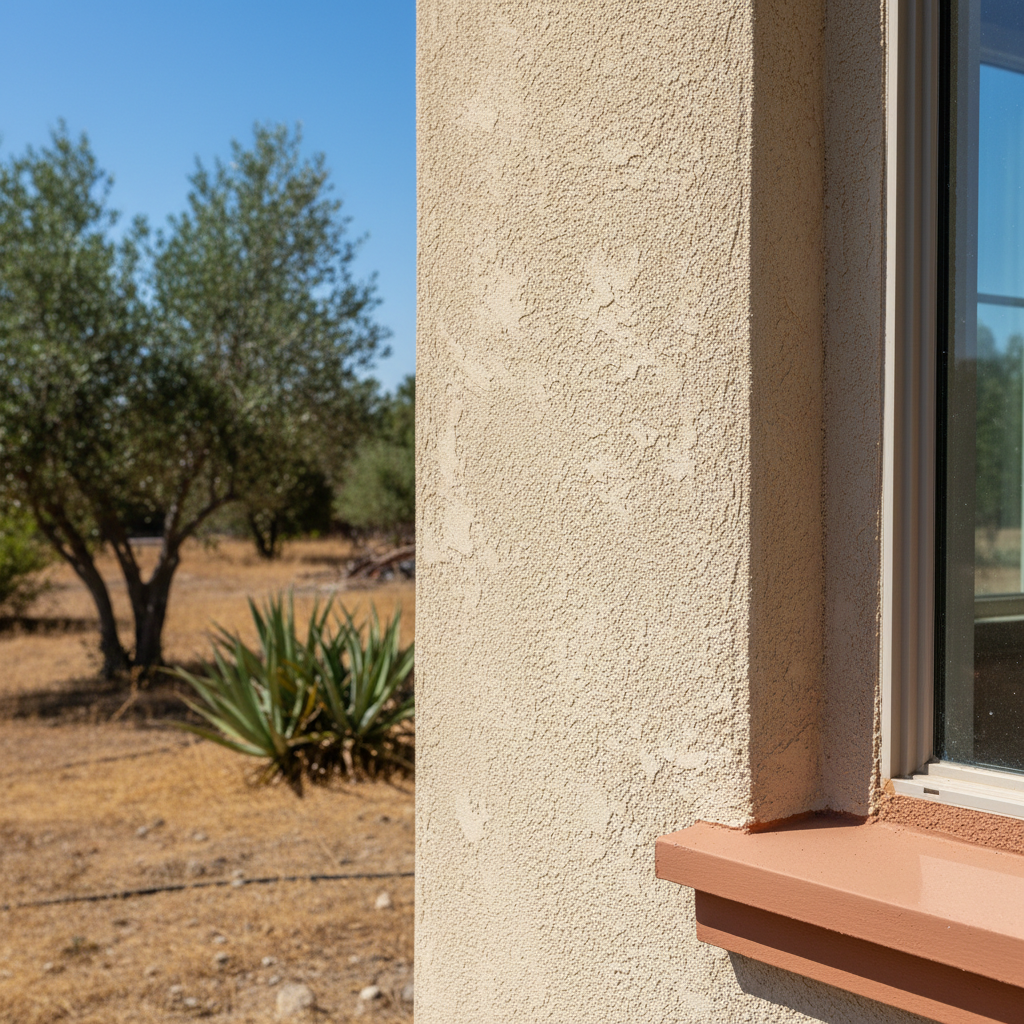
So, you're thinking about a stucco project for your house here in Rialto. Maybe you've got some cracks, or you're dreaming of a fresh new look. Whatever it is, getting stucco work done isn't something you just jump into without a plan, is it? As someone who's been doing this for years, I've seen it all. I want to give you the straight scoop on what you need to know to make your project a success.
Before You Start: Planning and Prep
Before any work even begins, you've got to do your homework. First off, figure out what kind of stucco you've already got. Is it traditional three-coat stucco, or something newer like synthetic (EIFS)? Knowing this helps us figure out the best way to approach repairs or new applications. If you're not sure, a quick look can often tell you, but sometimes you'll need a pro to really identify it. This is super important because patching synthetic stucco with traditional materials, or vice-versa, just won't work right. It can actually cause bigger problems down the line.
Next, think about what you're trying to achieve. Are you just fixing a few small cracks? Or are you looking to re-stucco the whole house? Small, hairline cracks, especially ones that aren't getting bigger, can sometimes be a DIY job. You can grab patch kits at most hardware stores. Just make sure you clean the area really well, follow the instructions, and try to match the texture and color as best you can. This is where a little patience goes a long way. But if you're seeing big, spiderweb cracks, bulging stucco, or areas that sound hollow when you tap them? That's a red flag. Those usually mean there's water getting in or structural issues underneath, and that's definitely a job for a professional.
Permits are another big one. For major stucco work, especially if you're changing the exterior a lot or doing a full re-stucco, you'll probably need a permit from the City of Rialto. Don't skip this step! It's not just about avoiding fines; it makes sure the work meets local building codes, which protects your investment and your home's safety. A good contractor will handle the permit process for you, but it's always smart to ask about it upfront.
During the Project: What to Expect
If you're tackling small repairs yourself, take your time. Prep is everything. Mask off areas you don't want to get stucco on, wear protective gear, and work in small sections. Matching texture is the hardest part for a DIYer. Practice on a piece of scrap material first if you can. Remember, our Rialto sun can dry stucco fast, so work efficiently, especially on hotter days.
When you hire a pro, communication is key. Make sure you have a clear contract that outlines the scope of work, materials to be used, timeline, and payment schedule. Don't be afraid to ask questions. A reputable company like Rialto Stucco & Plastering will be happy to explain their process. They'll talk about things like proper lath installation, scratch coats, brown coats, and finish coats. You want to make sure they're using quality materials and following industry best practices. For instance, here in Rialto, with our expansive clay soils in some areas, proper stucco application that accounts for potential foundation movement is extra important to prevent premature cracking.
During the actual work, expect some disruption. Stucco is a messy job. Good contractors will take steps to protect your landscaping, windows, and other parts of your property, but dust and debris are unavoidable. Don't be afraid to check in on the progress and ask questions if you see something that doesn't look right. You're the homeowner, after all, and it's your investment.
After the Stucco is Done: Care and Maintenance
Once the project is complete, the work isn't entirely over. If it's new stucco or a major repair, it needs time to cure properly. Your contractor will give you specific instructions, but generally, it involves keeping it moist for a few days, especially in our dry climate. This helps the stucco gain strength and prevents cracking.
For ongoing maintenance, it's mostly about keeping an eye out. Walk around your house periodically and inspect the stucco. Look for new cracks, discoloration, or areas where the stucco might be separating from the wall. Small issues caught early are much easier and cheaper to fix than letting them become big problems.
Cleaning stucco is pretty straightforward. A gentle wash with a garden hose and a soft brush can remove dirt and grime. For tougher stains, a mild detergent and water solution usually does the trick. Avoid high-pressure washers, as they can damage the stucco surface, especially if it's older or has existing vulnerabilities.
If you notice any significant cracks or water stains, don't ignore them. Water is stucco's worst enemy. It can get behind the stucco, cause rot, mold, and even structural damage. If you're unsure about a repair, or if the problem seems beyond a simple patch, it's always best to call in a professional. They can diagnose the issue correctly and recommend the right course of action. Taking care of your stucco means your home will look great and stay protected for years to come.