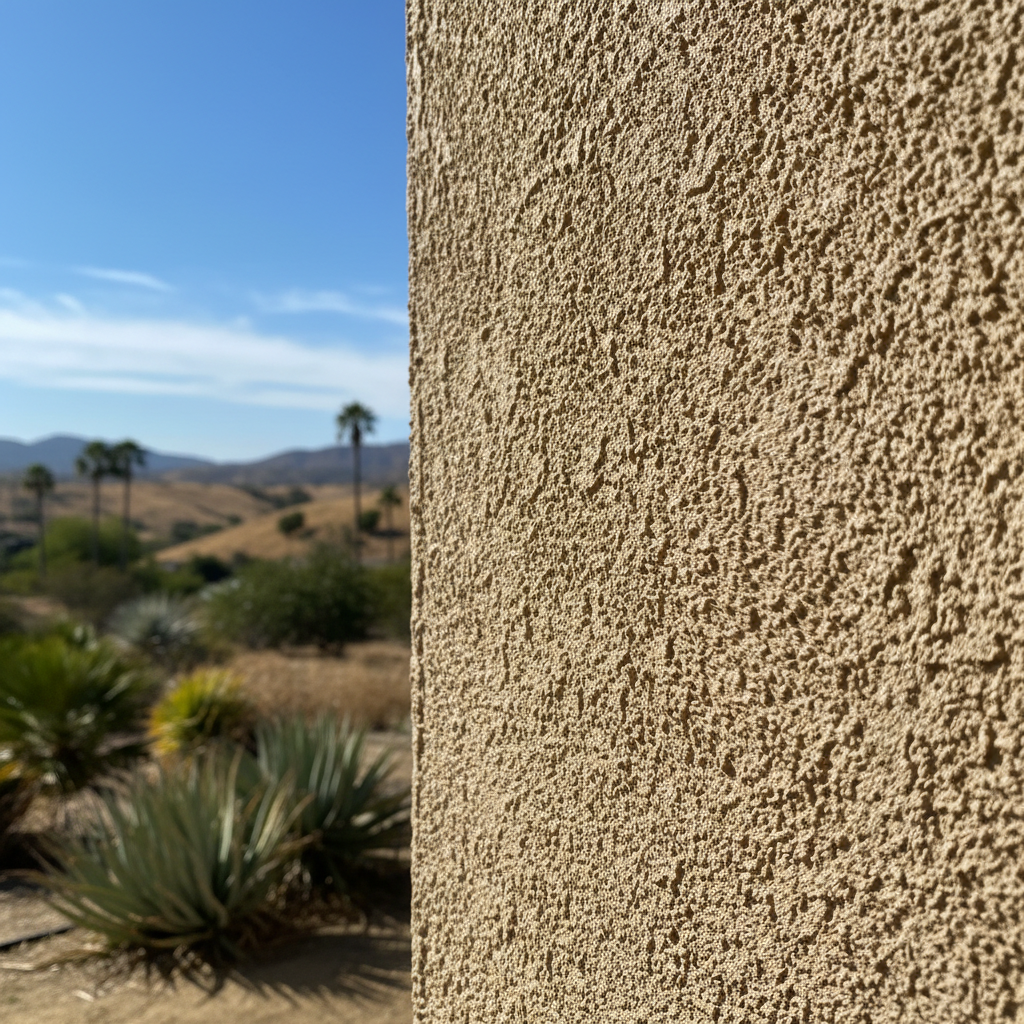
Alright, let's talk stucco inspections. I get a lot of calls from folks in Rialto wondering if their stucco is okay, or if they're seeing something that needs fixing. It's smart to be proactive, especially with our hot, dry summers and occasional heavy rains that can really test a home's exterior. But before you panic or call in the cavalry, there's a lot you can do yourself to get a good handle on your stucco's condition. You don't need fancy tools, just a good eye and a little common sense.
Before You Call a Pro: Your DIY Stucco Checklist
So, you're walking around your house. Maybe you noticed something, maybe you just want to be sure everything's solid. Here's what I tell homeowners to look for:
- Cracks: Not all cracks are created equal, you know? Hairline cracks, especially around windows and doors, are pretty common. They're usually just surface level and not a huge deal. But if you see cracks wider than a credit card, or if they're running in a spiderweb pattern, or if they're horizontal and look like they're following a foundation line – those are red flags. Pay close attention to cracks that look like stair-steps in masonry, too.
- Discoloration or Staining: See any dark streaks? Especially under windows, near the roofline, or around spigots? That often means water is getting in and running down the wall. Green or black spots could be mold or mildew, which also points to moisture problems.
- Bulges or Soft Spots: Gently press on your stucco in a few places, especially lower down or where you see staining. Does it feel soft or spongy? Does it bulge out? That's a strong indicator of water damage underneath. If you tap it lightly with your knuckles and it sounds hollow in a spot where it used to sound solid, that's another sign.
- Separation: Check where your stucco meets other materials – like trim around windows and doors, the foundation, or the roofline. Are there gaps? Is the caulk cracked or missing? These are entry points for water, plain and simple.
- Efflorescence: This looks like a white, powdery substance on the stucco surface. It's mineral salts left behind when water evaporates from inside the wall. It means water is getting in and trying to get out, which isn't good.
Think about areas that get a lot of sun, or a lot of water runoff from the roof. For example, homes in the north part of Rialto, closer to the foothills, might experience more wind-driven rain on certain sides, so pay extra attention there.
During the Inspection (If You Hire Someone)
Okay, so you've done your own check, and you've found something that makes you think,