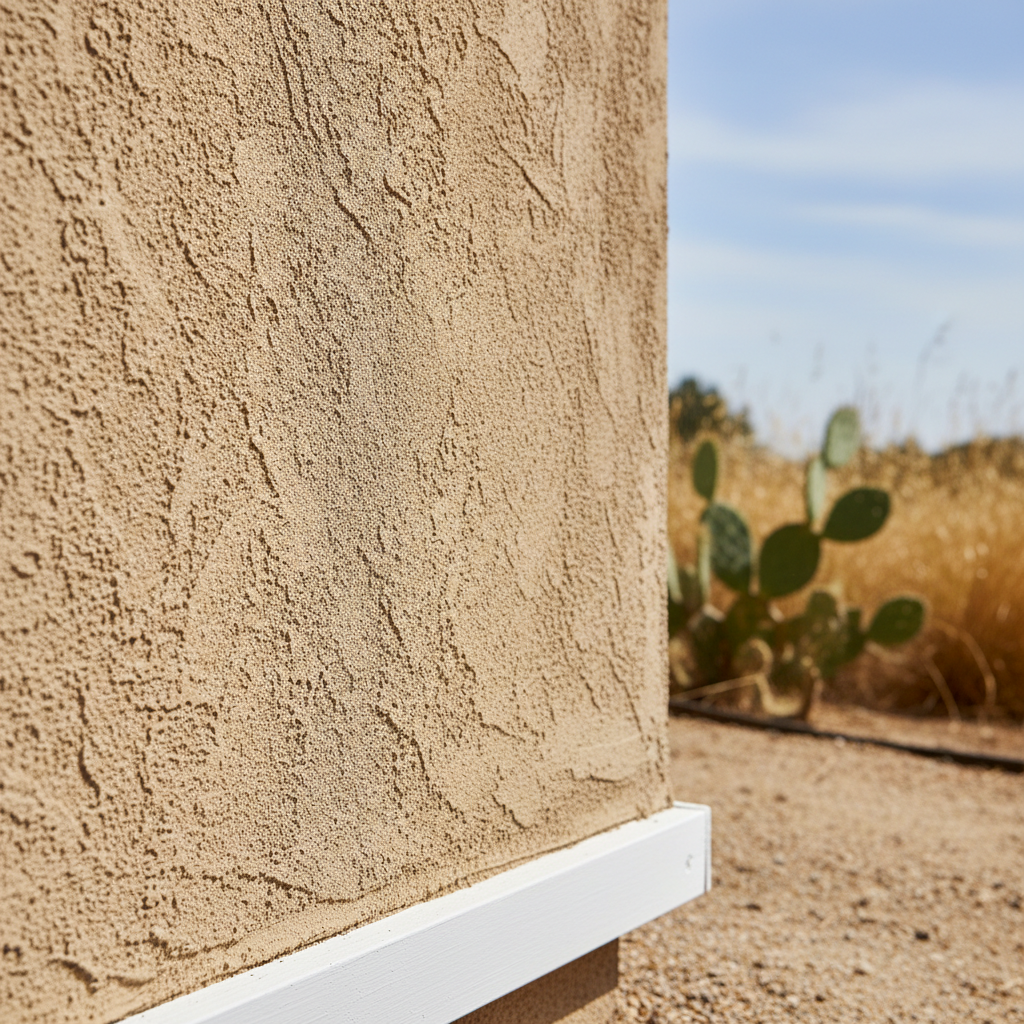
Got stucco on your place? Good. It's tough, really durable, but let's be real, it's not bulletproof. Like anything else on your house, it needs a good look-over now and then. And no, I'm not talking about waiting until a problem is screaming at you. We're talking about checking things out *before* they get bad. This isn't just about fixing stuff; it's about heading off bigger, more expensive headaches later on.
Before a Stucco Project: Your First Look
So, you're thinking about getting some stucco work done, maybe a patch-up, or even a whole new re-dash. Before anyone even steps foot on your property, you really should do your own initial inspection. Why? Well, it helps you get a handle on the job's size and gives you a starting point. You won't need any fancy tools, just your eyes and maybe a ladder.
- Walk Around Your House: Get right up close. Look for cracks. Are they super thin, like a hair, or can you actually slide a credit card into them? Hairline cracks are often just cosmetic, but wider ones could mean water's getting in or the house is shifting. Pay extra attention to corners, around windows and doors, and where different materials meet.
- Check for Stains: Dark streaks or discoloration, especially under windows or near the roofline, are huge warning signs. That usually means water is running down and carrying dirt with it, which, of course, means water is making its way behind the stucco.
- Look for Bulges or Soft Spots: Gently press on the stucco in different areas. Does it feel solid? If it feels squishy, spongy, or you spot a bulge, that's a sign of moisture damage and possibly rot underneath. This is especially key in places that get a lot of sun followed by sudden rain, just like we see here in Rialto during our summer monsoons. That quick expansion and contraction can really create weak spots.
- Inspect Flashing and Sealants: This part is super important. Flashing is that metal or plastic barrier meant to guide water away from vulnerable spots, like where your roof meets a wall, or right above windows. Is it still in place? Is the caulk around your windows and doors cracked, peeling, or just plain gone? If water can get in there, believe me, it will.
- Drainage: Take a look at your gutters and downspouts. Are they clear? Are they actually directing water away from your foundation? If water is constantly pooling against your stucco, you're just asking for trouble.
What can you handle yourself? You can absolutely spot these things. You might even be able to re-caulk small areas around windows if you're a bit handy. But if you see widespread cracking, major discoloration, or soft spots, that's when you need a pro. Don't try to patch over serious water damage on your own; you'll just be hiding a bigger problem, won't you?
During a Stucco Project: What to Keep an Eye On
Okay, so you've hired Rialto Stucco & Plastering (or another good company, but hey, we're pretty darn good!). The work has started. You're not expected to be a stucco expert, but you should still pay attention. This isn't about micromanaging; it's about making sure the quality is there and understanding what's happening.
- Surface Preparation: Are they getting the old surface ready the right way? If it's a re-dash, are they cleaning it, maybe even power washing it (carefully!) to make sure the new stuff sticks? If they're doing a full tear-off, are they checking the sheathing underneath for damage before putting up new materials?
- Material Application: Watch how they mix and apply the stucco. Is it consistent? Are they putting it on in even coats? Are they following the manufacturer's directions for drying times between coats? You definitely don't want them rushing things.
- Flashing and Weep Screeds: Notice how they deal with flashing around windows, doors, and at the bottom of the wall (that's the weep screed). These are absolutely critical for managing water. The weep screed, for example, needs to be installed correctly so any moisture that gets behind the stucco can drain out. It shouldn't be buried in soil or concrete.
- Cleanliness: A good crew will keep the job site tidy. This isn't just about how it looks; it shows they respect your property and are organized.
If something seems off, just ask. A good contractor will be happy to explain what they're doing and why. If they get defensive or can't give you a clear answer, that's a red flag. You're paying for a service, and you have every right to understand the process.
After a Stucco Project: Staying Alert
The project's done, and your house looks amazing. Fantastic! But the inspection job isn't quite over. Now it's about maintenance and keeping an eye on things to make sure your investment really lasts.
- Regular Visual Checks: Make it a habit. Maybe once a quarter, especially after heavy rains or strong winds, do another walk-around. Look for those same cracks, stains, or bulges you checked for at the beginning.
- Keep an Eye on Landscaping: Make sure plants aren't growing right up against your stucco. They can trap moisture and even mess up the finish. Trim them back.
- Maintain Sealants: Caulk doesn't last forever, you know. Check the caulk around windows, doors, and other openings every year. If it's cracking or pulling away, reapply it. This is a pretty easy DIY job that can prevent a ton of headaches.
- Gutter Maintenance: Keep those gutters clean! Clogged gutters will overflow, sending water straight down your stucco walls, which is a guaranteed path to damage.
- Post-Warranty Check: Before your contractor's warranty runs out, do one last thorough inspection. If you find anything that looks like a defect in workmanship or materials, bring it to their attention while it's still covered.
For most of these post-project checks, you're actually the best person for the job. You live there, you see your house every single day. You'll notice subtle changes faster than anyone else. If you spot something that looks like a serious problem – a new, big crack, a lot of efflorescence (that white powdery stuff), or a soft spot – don't wait. Call a professional. Catching these things early can save you thousands in repairs down the road.
Stucco is a fantastic exterior finish for homes in Rialto, built to handle our climate. But like anything else, it needs a little bit of care. A little proactive inspection goes a long way in keeping your home looking good and protecting your investment.