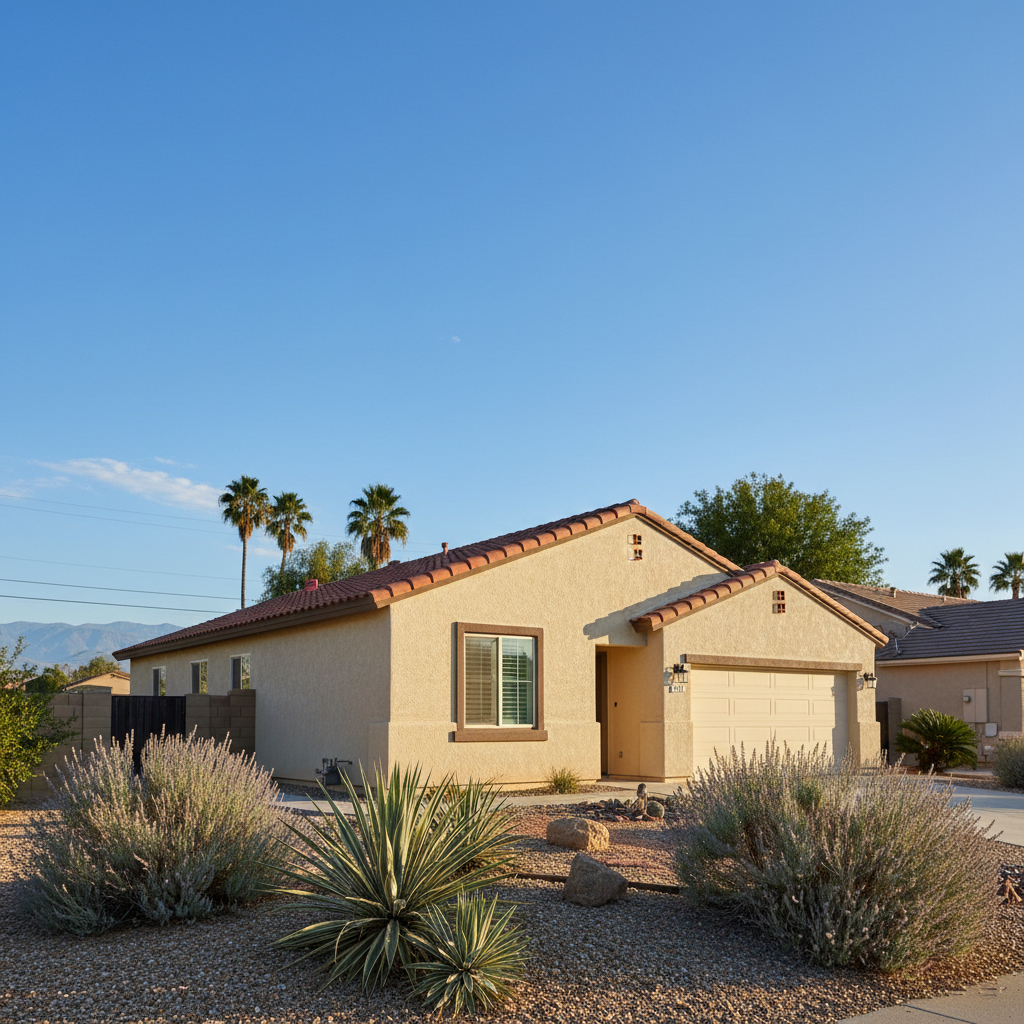
When's the best time to get new stucco put on your house here in Rialto? That's a question I get a lot, and it's a good one. You see, stucco isn't like painting a room inside your house. The weather outside plays a huge role in how well it goes on, how it cures, and ultimately, how long it lasts. As a local contractor, I've seen it all, and I've got some straightforward advice for you.
Understanding Our Rialto Climate
We're lucky here in Rialto; we don't get extreme winters like some places. But that doesn't mean we don't have our own challenges. Our summers are hot, really hot, and dry. Then we get those Santa Ana winds kicking up, and sometimes, a decent rainy season. All of this impacts stucco work.
Think about the soil conditions around here too. Many homes in areas like the northern parts of Rialto, closer to the foothills, might have more clay in the soil, which can affect moisture retention near foundations. It's all connected, really.
The Best Times for Stucco Installation
Honestly, the sweet spot for stucco installation around here is usually spring and fall. Why?
- Spring (March to May): Temperatures are generally mild. It's warm enough for the stucco to cure properly without drying out too fast, and we usually haven't hit the peak of our summer heat yet. Plus, the chances of heavy, prolonged rain are lower than in winter.
- Fall (September to November): Fall brings comfortable temperatures, much like spring. The intense summer heat has usually broken, and the air is often drier than in winter, which is perfect for curing. You want to get the work done before the real winter rains start, right?
These seasons give the stucco its best chance to set up correctly, bond well, and cure at an optimal rate. This means a stronger, more durable finish for your home.
Weather Conditions to Watch Out For
Even if you schedule in spring or fall, we still need to pay attention to the daily forecast. Here's what can throw a wrench in the works:
- Extreme Heat: If it's over 95-100 degrees, especially with low humidity, stucco can dry out too quickly. This can lead to cracking, poor adhesion, and a weaker finish. We might need to take extra steps like misting the wall or delaying work until cooler parts of the day. Sometimes, it's just better to wait for a cooler day.
- High Winds: Those Santa Ana winds we get? They're no friend to fresh stucco. Wind can dry out the surface too fast, causing hairline cracks and making it hard to apply evenly. It also blows dust and debris onto the wet surface, which isn't ideal.
- Rain: This one's obvious. You can't apply stucco in the rain. It washes away, dilutes the mix, and prevents proper curing. Even after a rain, the substrate needs to be dry before we can start.
- Freezing Temperatures: While rare in Rialto, if temperatures drop below freezing, especially overnight, it can damage uncured stucco. The water in the mix expands when it freezes, causing the stucco to crumble or lose strength. We don't see this often, but it's something to be aware of if we get an unusual cold snap.
Protecting Your Stucco Investment Year-Round
Once your new stucco is on and cured, you'll want to keep it looking good and performing its best. Here's how:
- Regular Inspections: Walk around your house a couple of times a year. Look for any hairline cracks, especially around windows and doors. Catching small issues early can prevent bigger, more expensive problems down the road.
- Keep it Clean: Dirt, dust, and even mildew can build up. A gentle rinse with a garden hose and a soft brush can do wonders. Avoid high-pressure washers, as they can damage the stucco surface.
- Manage Moisture: Make sure your sprinklers aren't constantly hitting the stucco. Check that gutters and downspouts are clear and directing water away from your foundation. Prolonged moisture exposure is stucco's biggest enemy.
- Trim Landscaping: Keep bushes and trees trimmed back from your stucco walls. They can trap moisture, rub against the surface, and provide pathways for pests.
Choosing the right time for your stucco project is a big part of ensuring its longevity and beauty. It's not just about getting it done; it's about getting it done right, considering our local conditions. If you're thinking about a stucco project, give us a call at Rialto Stucco & Plastering. We can talk through the best timing for your specific home and what to expect.