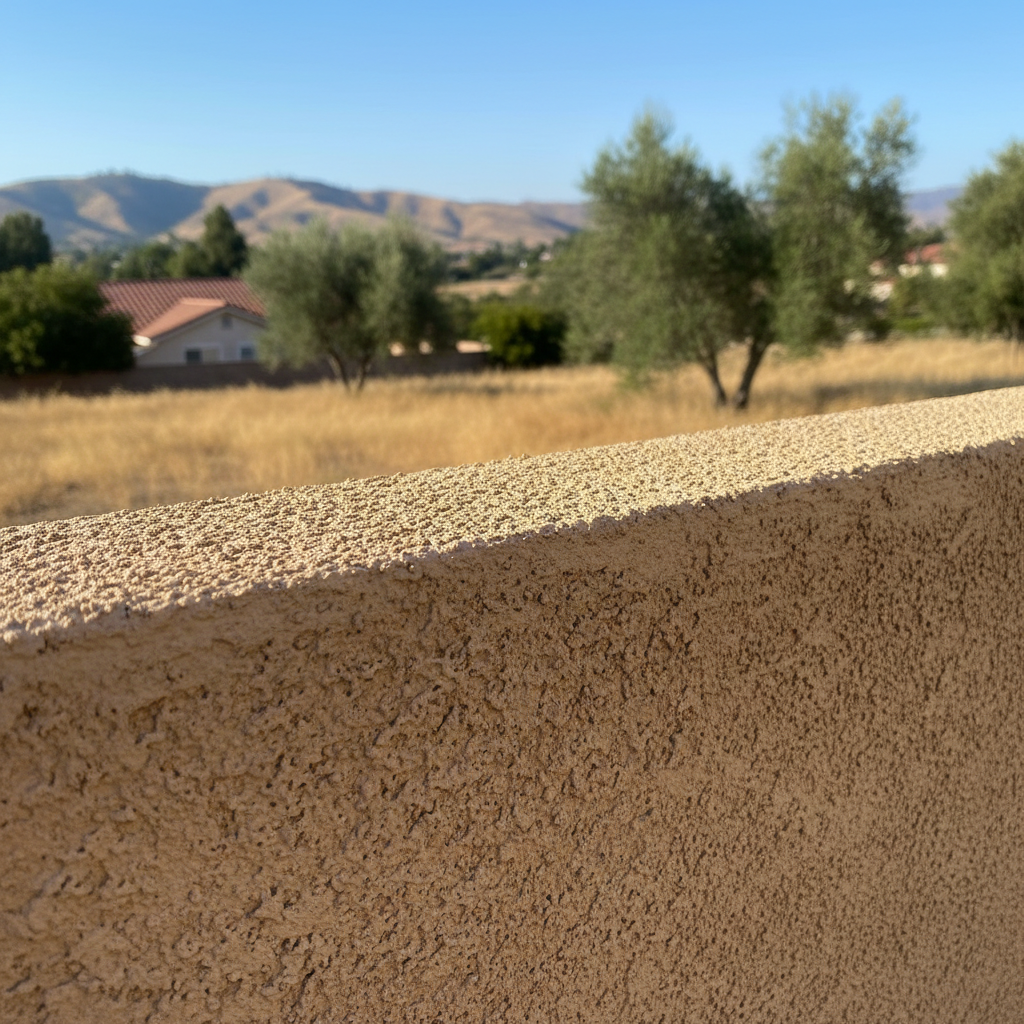
Homeowners do not need a degree in construction to keep an eye on exterior walls, but they do need to know what to look for before small issues turn into major problems. Out here in Rialto, CA, the dry desert heat and occasional heavy winter downpours put Stucco finishes through a lot of stress. Ground shifting in neighborhoods near Renaissance Marketplace or the older properties closer to Foothill Boulevard can cause walls to settle and crack over time. If you want to stay ahead of costly Stucco Repair, you have to check your Stucco regularly.
Before You Start Inspecting
Grab a notebook, a flashlight, and your phone to snap photos of anything unusual. You do not need fancy tools for a basic walk-around. Clear away any tall bushes, stacked firewood, or patio furniture touching your exterior walls so you can actually see the surface. Stucco needs to breathe, and blocked airflow traps moisture right against the plaster. Pick a bright day with good sunlight because shadows can hide hairline fractures or bulging spots.
What You Can Check Yourself
Walk slowly around the perimeter of your house and look at the actual texture of the wall. Hairline cracks that are as thin as a single strand of hair are totally normal as a house settles, but anything wider than a credit card needs closer attention. Tap gently on suspicious spots with the handle of a screwdriver. A solid tap means the Stucco is firmly bonded to the lath underneath, but a hollow or dull thud means the finish is delaminating and separating from the wall. Check the weep screeds near the bottom of your foundation to make sure dirt has not buried them. If water cannot escape from behind your walls, it is going to rot the framing.
When to Call a Pro
Spotting a few spiderweb cracks is one thing, but structural problems require an expert eye. If you notice rust stains bleeding through the plaster, that means the metal lath behind the wall is oxidizing and rusting out from trapped moisture. Stucco bulging outward like a balloon is another red flag that means water has gotten behind the system and destroyed the bond. Rialto Stucco & Plastering sees this happen when sprinklers hit exterior walls day after day. If your walk-around reveals soft spots, crumbling corners, or widespread discoloration, stop poking at it and bring in a professional to do a moisture test.
After the Inspection
Once you finish your walk, make a simple list of what you found. Small hairline cracks can often be sealed with a high-grade elastomeric caulk or patched with a matching acrylic finish coat if you are handy with a trowel. Deeper structural cracks or large areas of failing plaster require cutting out the damaged section, checking the substrate, and re-applying a multi-layer patch. Catching these problems early saves you thousands of dollars down the road and keeps your exterior tough enough to handle whatever the Inland Empire weather brings to Rialto, CA.